When Good Intentions Fail: An M&E Perspective on the Turkana Fish Processing Plant
Development projects are often launched with the best of intentions: reduce poverty, create jobs, improve livelihoods, and unlock local economic potential. Yet history repeatedly shows that good intentions alone do not guarantee impact. One of the most cited examples in development discourse is the failed fish processing plant on Lake Turkana in northwestern Kenya.
From a Monitoring and Evaluation (M&E) perspective, the Kalokol fish processing plant is beyond a story of failure. It is a case study rich with lessons on design, context, participation, sustainability, and the dangers of confusing infrastructure delivery with real development outcomes.
The Promise of Transformation
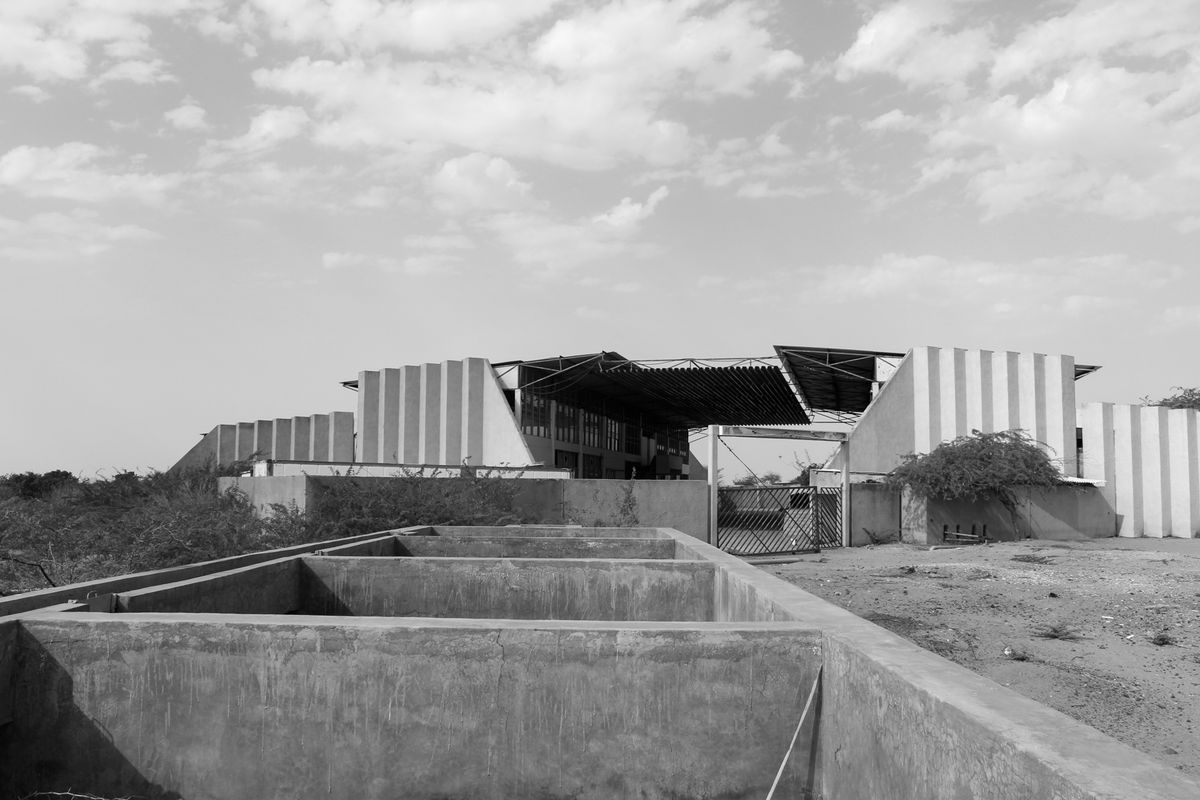
Lake Turkana, Africa’s largest desert lake, has long been recognized for its fish resources, including species such as tilapia and Nile perch. In the late 1970s and early 1980s, a fish processing and freezing plant was constructed in Kalokol with donor support. The goal was ambitious: transform natural resources into economic opportunity, improve food security, and stimulate development in one of Kenya’s most marginalized regions.
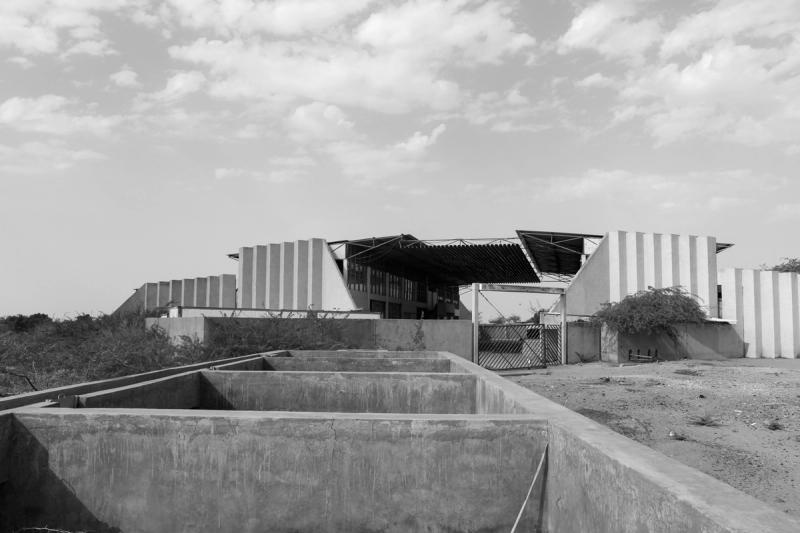
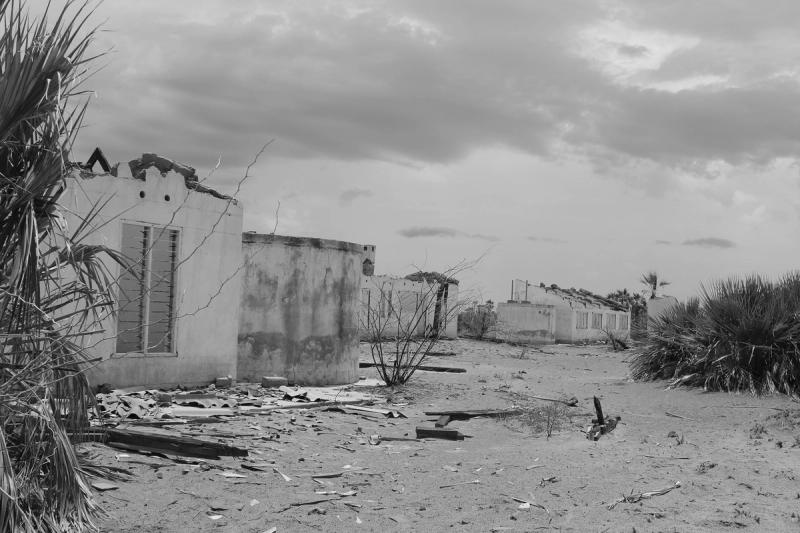
On paper, the project made sense. If fish could be harvested, processed, frozen, and marketed, then income would rise and local development would follow. In practice, the plant operated only briefly before being abandoned, becoming a classic “white elephant” project.
Where the Project Went Wrong
A flawed theory of change
At the heart of the project was a simple but unrealistic assumption: build the facility, and people will use it. That logic ignored a crucial reality development outcomes depend on behavior, incentives, and local livelihood systems.
The local Turkana communities were traditionally pastoralists, not commercial fishers, and fishing was not deeply embedded in their livelihood patterns. A stronger theory of change would have asked whether households were ready to shift livelihoods, what support they would need, and which barriers might prevent adoption. Without those answers, the project relied on hope rather than evidence.
A weak baseline assessment
Good M&E starts with a clear understanding of the starting point. In Turkana, several critical realities were not fully accounted for: limited fishing skills, poor roads, weak electricity access, inadequate water supply, and limited market access.
A proper baseline study would likely have shown that the supporting system needed for a fish-processing plant simply did not exist. The facility was introduced into a setting that lacked many of the prerequisites for success.
Output-focused indicators
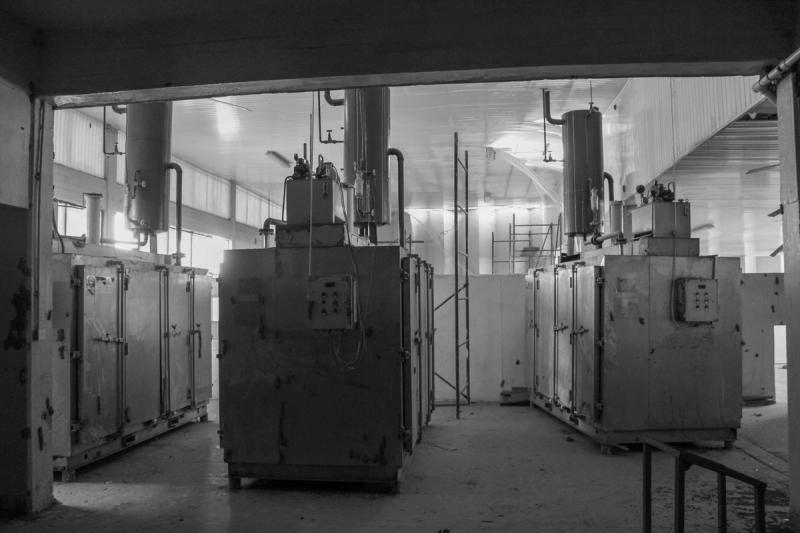
The project was likely judged by visible deliverables such as the construction of buildings, installation of equipment, and operational readiness. But those are outputs, not outcomes.
The more meaningful questions were different: Did local people adopt fishing as a viable livelihood? Was there a reliable fish supply? Did the plant operate profitably over time? Did household incomes improve? When M&E focuses only on construction milestones, a project can appear successful while failing to create lasting change.
Limited community participation
Another major weakness was the lack of meaningful engagement with the intended beneficiaries. Development works better when communities help shape the solution, not when it is imposed from outside.
The Turkana experience shows the cost of poor consultation. Community participation could have revealed early whether the intervention matched local realities. Participatory design, co-creation, and feedback mechanisms might have helped adapt the project before failure became inevitable.
Sustainability was an afterthought
The plant also faced serious sustainability challenges. It required power in a region with limited electricity, clean water in an arid environment, and ongoing maintenance in a remote location. It also had to move a highly perishable product over poor transport networks to distant markets.
These were not minor technical problems; they were structural constraints that should have shaped the project design from the beginning. If a project cannot be operated and maintained locally, its lifespan will be short.
Little evidence of adaptive management
Strong M&E systems do more than monitor activities. They help projects learn and adjust in real time. In Turkana, there is little evidence that the project benefited from continuous feedback, mid-course correction, or strategic adaptation as problems became visible.
By the time the weaknesses were undeniable, the project had already absorbed substantial resources. That is the cost of rigid planning in a challenging environment.
What Research on Similar Projects Shows
The Turkana case is not an isolated incident. Research on fish value chains and post-harvest systems in Africa consistently shows that processing projects depend on more than infrastructure alone. Studies highlight common constraints such as poor roads, inadequate storage, weak cold-chain systems, limited access to finance, and high post-harvest losses. These are not unusual obstacles; they are structural conditions that must be addressed if processing facilities are to succeed.
M&E literature also reinforces a similar point: projects fail when baseline realities are poorly understood, when indicators measure activity instead of change, and when adaptation is weak. In other words, the failure of the Turkana plant reflects a broader pattern seen in development practice, not just a single local mistake.
Lessons for Development Practice
The Turkana fish processing plant offers several lessons for practitioners, policymakers, donors, and M&E professionals.
- Context matters more than capital. A project must fit the social, economic, and environmental realities of the place.
- Infrastructure does not automatically create impact. Buildings and equipment are not the same as functioning systems.
- Participation is non-negotiable. Local ownership improves relevance and sustainability.
- Pilot before scaling. Small tests can expose risks before major investments are made.
- Measure what matters. Outcomes and impact should matter more than visible outputs.
- Design for sustainability from the start. Technical, financial, and environmental viability must be built into the project logic.
A Smarter Way Forward
Encouragingly, newer approaches in Turkana and similar contexts suggest a shift in thinking. Smaller, community-driven interventions such as solar-powered cold storage, fish drying technologies, and improved market linkages are more aligned with local realities. They are often more affordable, easier to maintain, and better suited to the constraints of remote environments.
These kinds of solutions reflect what good M&E is meant to support: learning, adaptation, and better decision-making. Instead of forcing a one-size-fits-all model onto a community, they build from local capacity and context.
Final Reflection
The story of the Turkana fish processing plant is not just a story of failure. It is a story of learning.
It reminds us that development cannot be sustained by ambition alone. Projects must be grounded in evidence, shaped by context, supported by communities, and designed for long-term use. For M&E professionals, the lesson is especially clear: our role is not only to measure results, but to help ensure that interventions are realistic, inclusive, and sustainable from the start.
Because in development, success is not defined by what we build but by what continues to work long after we leave.
By Ronald Obal
Monitoring, Evaluation, Accountability & Learning (MEAL) Professional
Ronald Obal
MEAL Manager & MEARL Specialist
Ronald Obal is a Monitoring, Evaluation, Accountability, Research and Learning professional focused on evidence systems for social impact programs in Uganda. With experience across mental health, child protection, education, and community development sectors.
Enjoyed this post? Follow for more.
Follow @real_obal